Skip to content
Summer University 2026

Summer University 2026

Understanding Cryosphere Hazards: Integrating Glaciers, Glacial Lakes, and Permafrost

3-15 August 2026 | Khorog, Tajikistan

Briefly about the program

01

Dates

3-15 August 2026

02

Location

Khorog, Tajikistan

03

Group

Up to 30 participants, ages 22-35

04

Support

Fully funded

Program overview

About Summer University

In 2025, the International Year of Glaciers’ Preservation and the UN Decade of Action for Cryospheric Sciences (2025–2034) placed global attention on the accelerating transformation of glaciers, snow, and permafrost. The International Year is accompanied by the establishment of the World Day for Glaciers (21 March, starting in 2025). These changes are reshaping mountain environments worldwide, with profound consequences for water security, ecosystems, infrastructure, and human safety – particularly in regions already facing social and economic pressures.

This Summer University Program responds to these urgent realities by strengthening capacity in cryosphere risk understanding and management. Its core objective is to equip participants with applied knowledge and analytical skills to identify cryosphere-related hazards, understand their physical drivers and cascading impacts, and evaluate risk in the context of climate change, exposure, and vulnerability.

In this context, Khorog State University and the Aga Khan Foundation are organizing a Summer University Program on “Understanding Cryosphere Hazards: Integrating Glaciers, Glacial Lakes, and Permafrost” under the Adaptive and Resilient Communities in their Habitat (ARCH) initiative, financially supported by the Government of Switzerland through the Swiss Agency for Development and Cooperation (SDC).

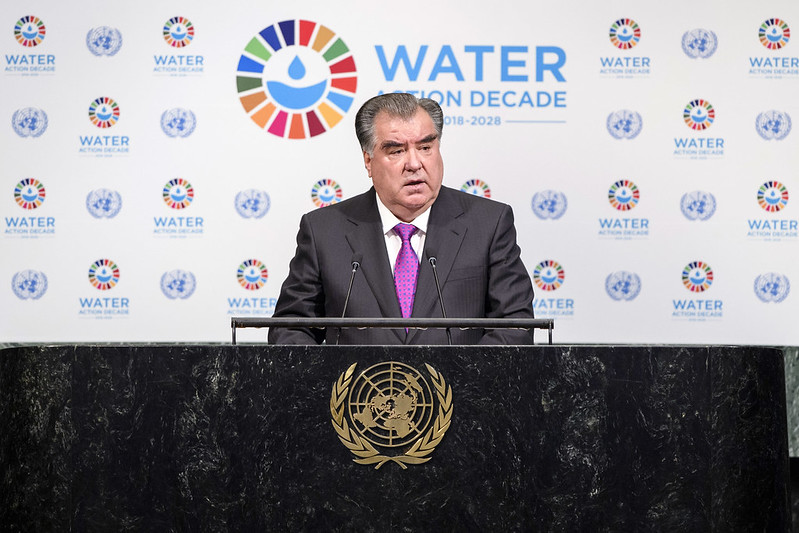
Эмомалӣ Раҳмон

«Обшавии босуръати пиряхҳо имрӯз ба як буҳрони глобалии замони мо табдил ёфта, дар тӯли даҳсолаҳои охир, онҳо бо суръати баланд коҳиш меёбанд. Ин раванди ташвишовар дар таърихи инсоният бесобиқа аст. Умед дорам, ки ҷомеаи ҷаҳонӣ дар татбиқи саривақтии ҳадафу уҳдадориҳои марбут ба обу иқлим, бахусус ҳифзи пиряхҳо ва истифодаи босамару оқилонаи об беш аз пеш талош хоҳад кард.»

Эмомалӣ Раҳмон
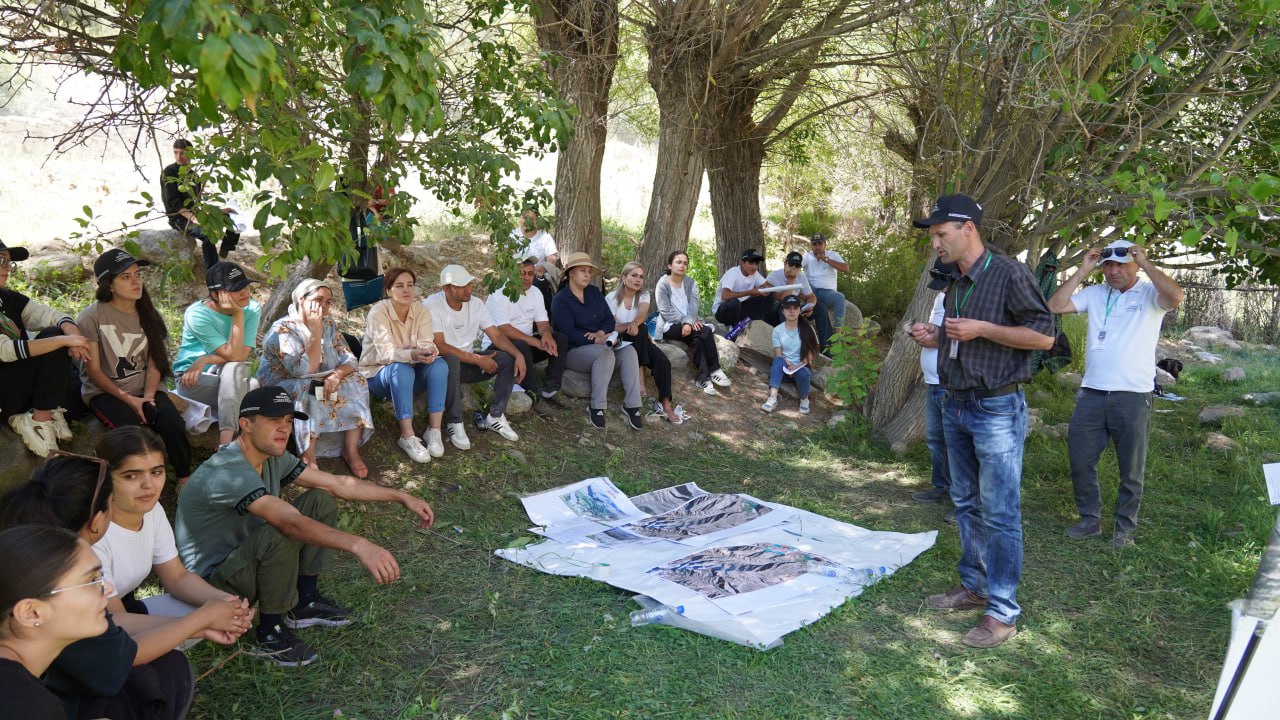
Mountain landscape representing the Summer University field setting

Learning program

Modules

The curriculum moves from understanding cryosphere processes to using GIS, interpreting risk, and producing practical recommendations for planners and practitioners.

01

Core science

Cryosphere processes and hazard fundamentals

Introduction to glacier retreat, glacial lake formation, permafrost thaw, snow and ice dynamics, and the physical drivers behind cascading mountain hazards.

02

Spatial tools

GIS and remote sensing foundations

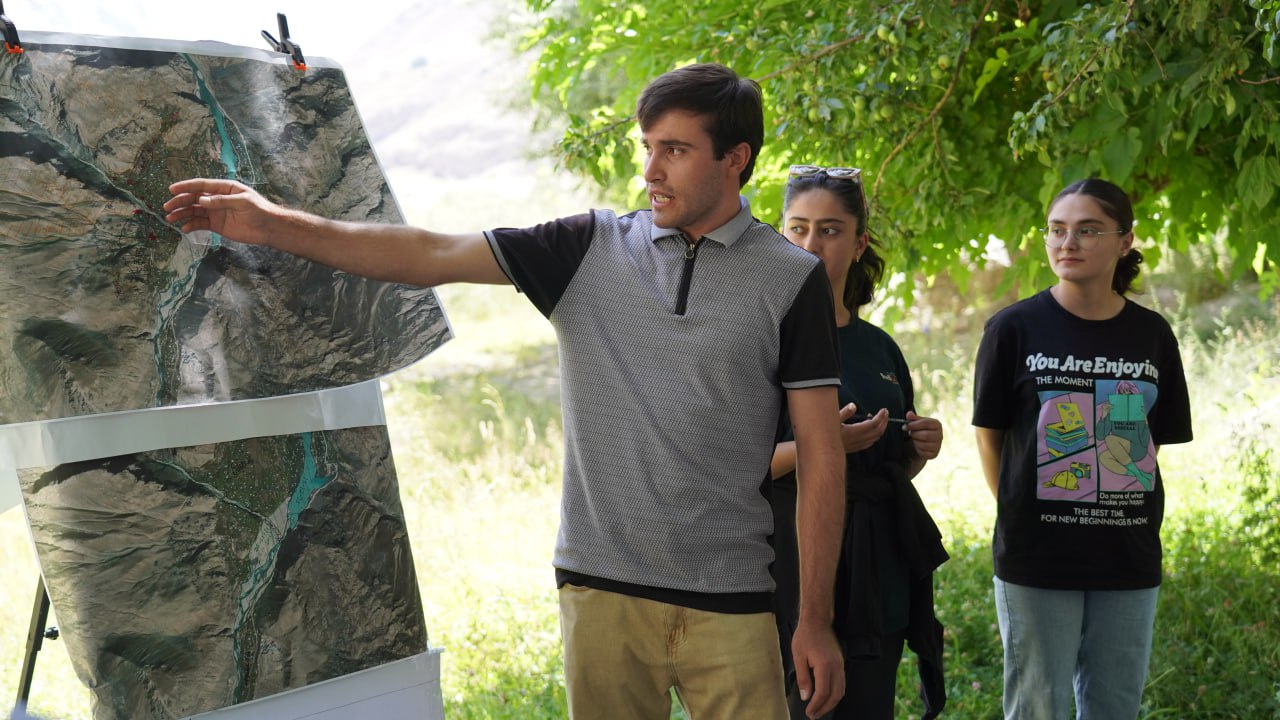
Data sources, preprocessing, terrain analysis, uncertainty, and practical workflows for mountain hazard mapping and exposure assessment.

03

Lake systems

Glacial lakes and GLOF assessment

Identification of glacial lakes, susceptibility screening, downstream impact pathways, and introductory approaches to community-level GLOF risk analysis.

04

Terrain resilience

Permafrost, slope stability, and resilience

Indicators of permafrost change, terrain controls, infrastructure implications, and nature-based solutions for stabilization and climate resilience.

05

Risk layers

Hazard, exposure, vulnerability, and risk

Integrated approaches that connect hazard layers with settlement and infrastructure data to build risk narratives for decision-making.

06

Action pathways

Early warning, DRM, and climate-resilient planning

Community-based early warning systems, preparedness options, DRR/DRM integration, and land-use planning for sustainable mountain development.

ARCH milestones

Previous achievements within the project

The Summer and Winter University Programmes in Tajikistan have grown into impactful platforms for tackling climate change and disaster risks in mountainous regions—equipping participants with the knowledge, skills, and collaboration needed to turn challenges into solutions.

01
2024 | Khorog

Summer University 2024

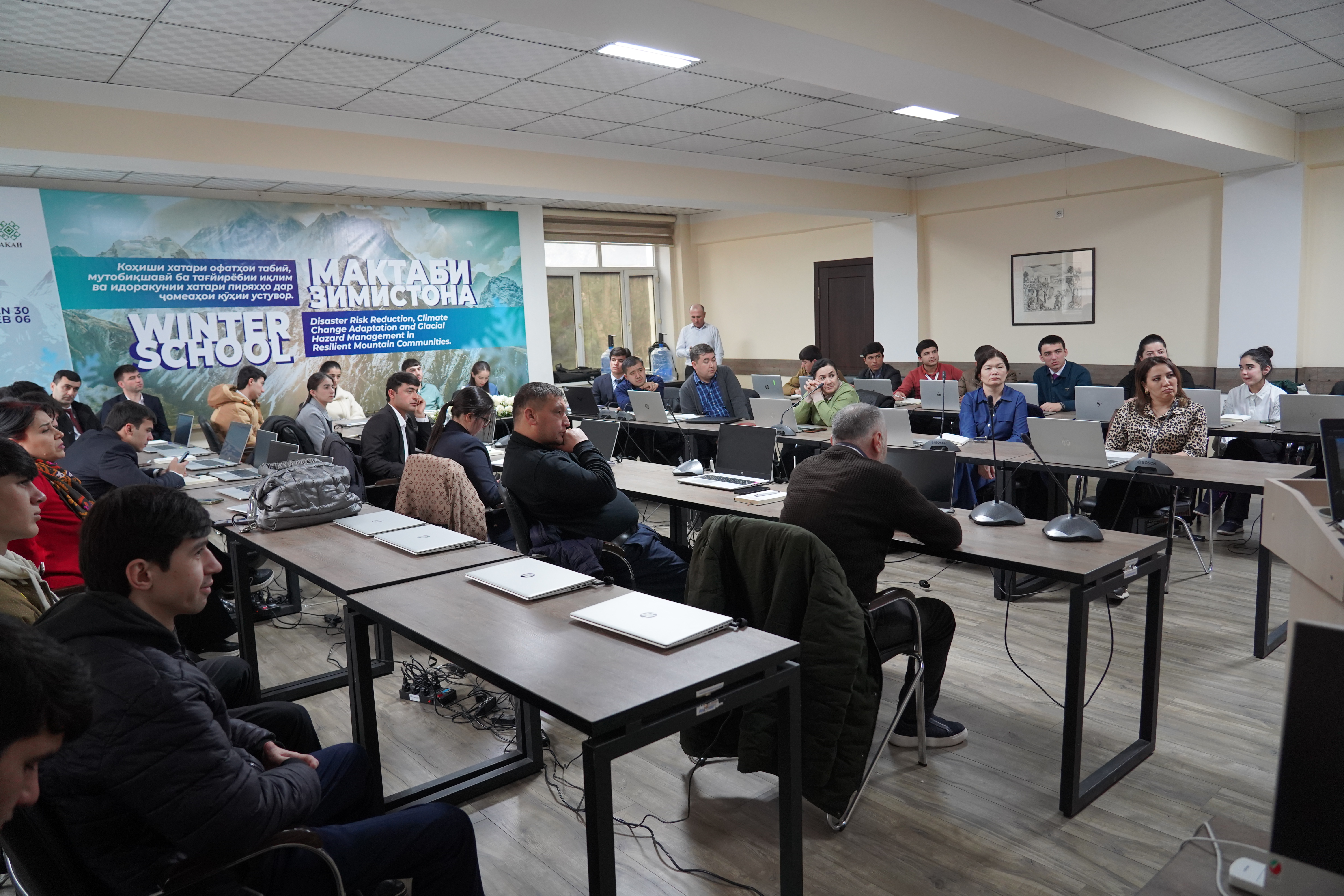
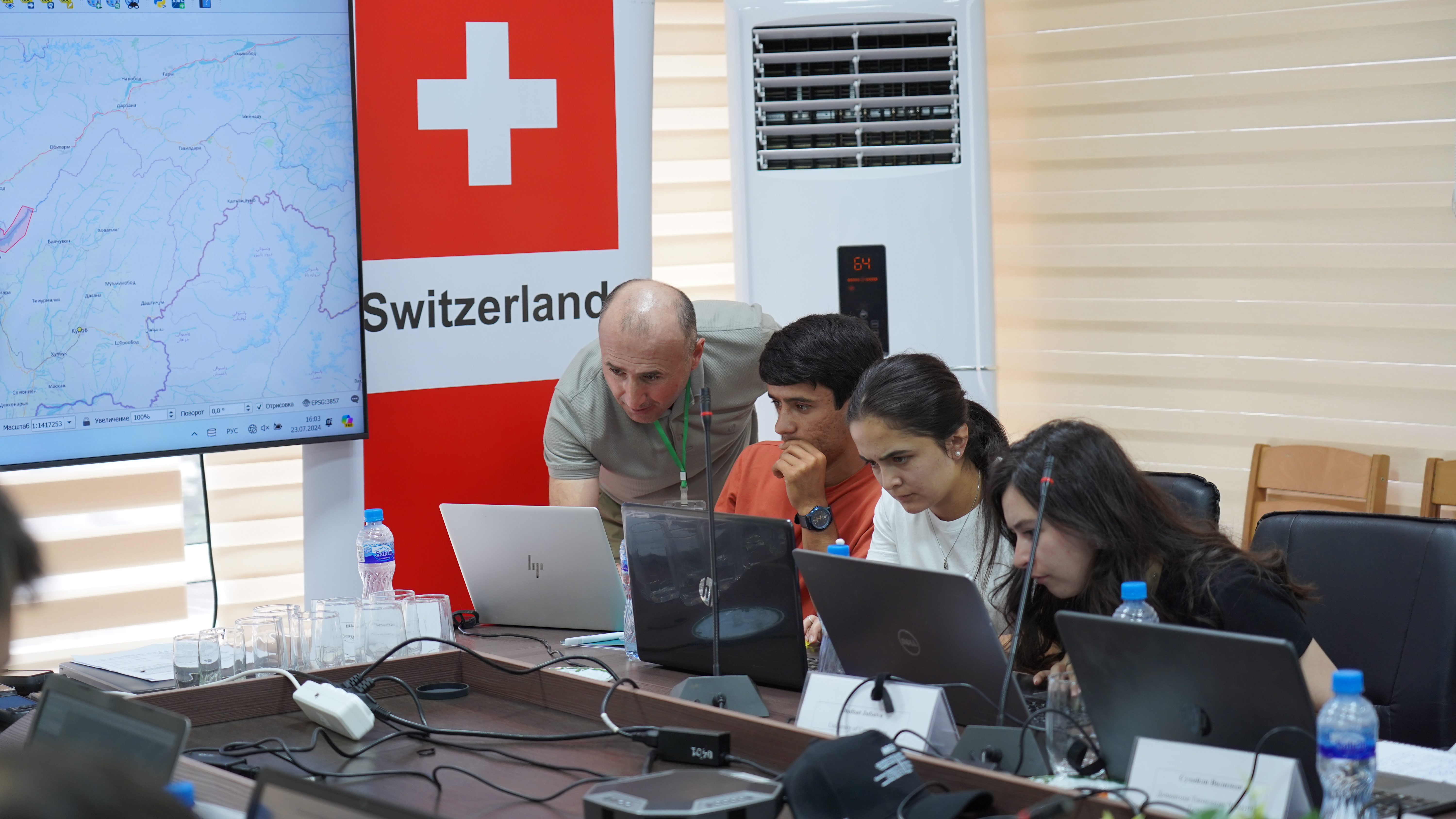
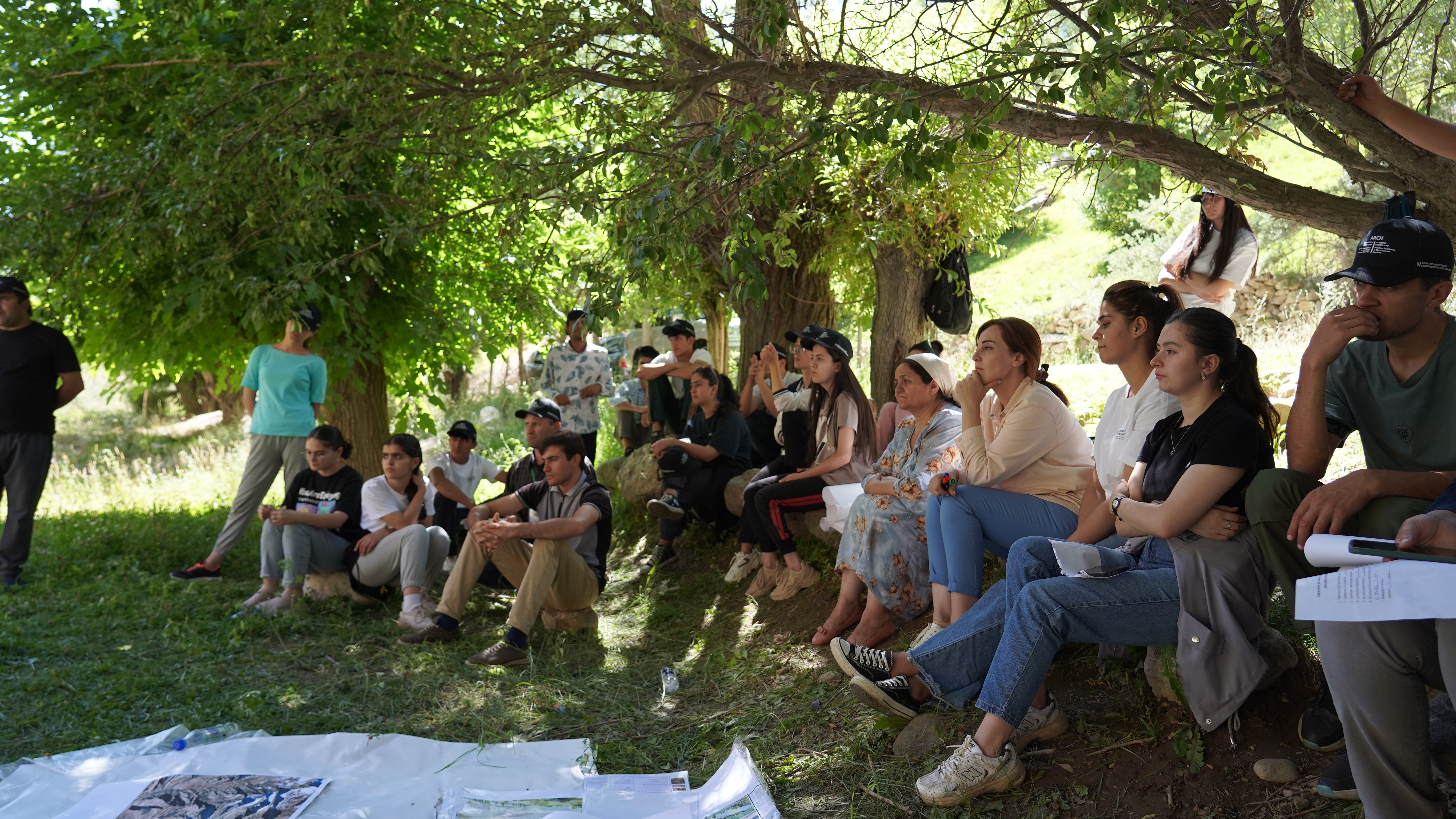
The Summer University in Khorog, conducted in 2024, focused on the effects of climate change in mountainous regions and the importance of preventing the buildup of new disaster risks. It combined theoretical sessions with practical learning on scientific, social, and governance aspects of resilience, and included intensive workshops, interactive sessions with experts from AKF and Khorog State University, and field trips to Barsem and Roshtqala districts.


02
August 2024

International Conference

The international conference 'Monitoring of Glaciers and Glacial Lakes - Risk Management' was held in Dushanbe on August 26-27, 2024, followed by field activities in Khorog and GBAO from August 28 to August 31, 2024. Conducted within the ARCH project, it brought together international organizations, government institutions, scientists, and experts to exchange knowledge on glacier monitoring, glacial lakes, debris-flow risks, and practical risk management.

03
2025 | Dushanbe

Winter University 2025

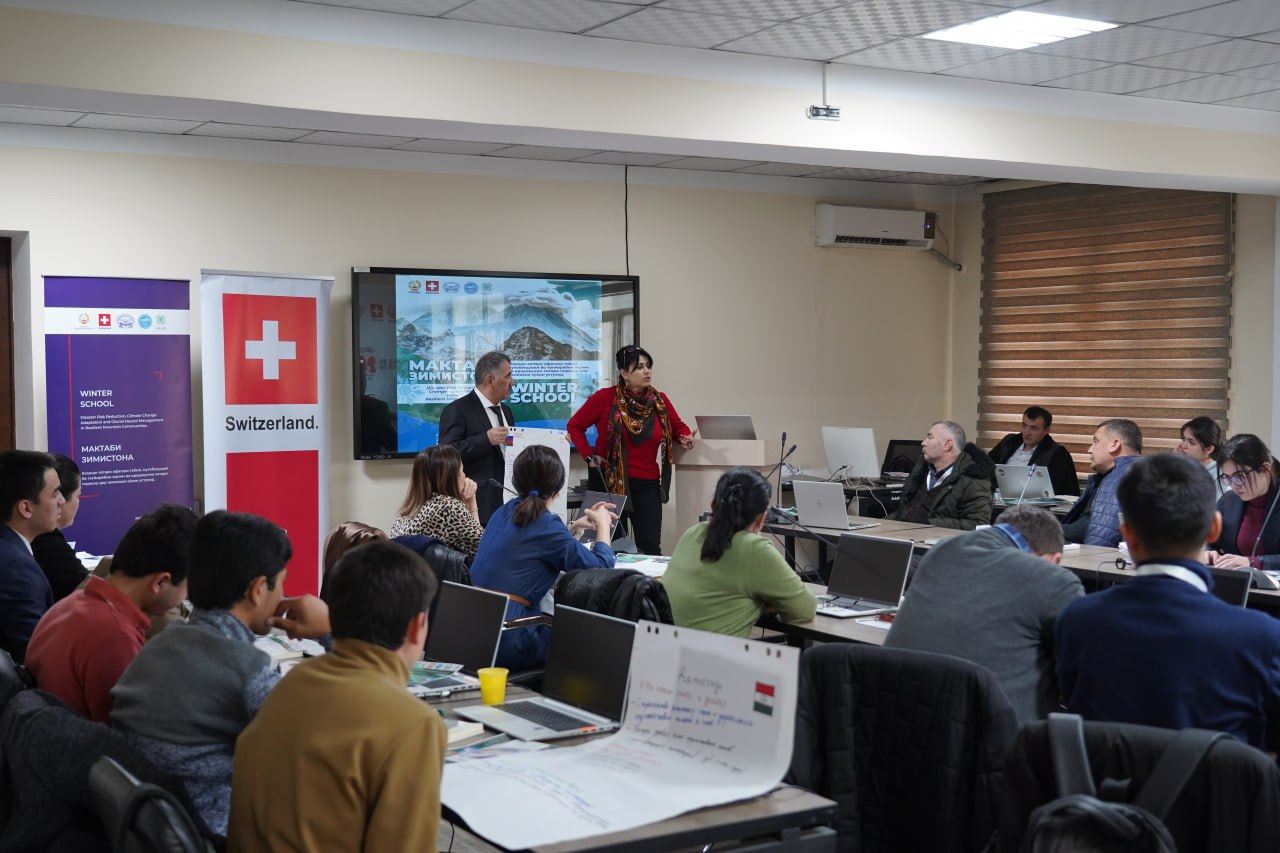
Building on the Summer University, the Winter University in Dushanbe in 2025 expanded the initiative to an international level. Hosted by Tajik Technical University in collaboration with Khorog State University, it brought together participants from different countries to examine floods, landslides, and glacial lake outburst floods in connection with climate change, while encouraging collaboration and practical solutions for mountain communities.

FAQ

Frequently asked questions

01What is the Summer University 2026 about?

The program focuses on understanding cryosphere hazards through the study of glaciers, glacial lakes, and permafrost in a changing climate.

02Who can apply?

Applicants must be 22–35 years old at the start of the program. The Summer University is open to participants from all countries. Applicants should have a good working knowledge of English to actively engage in lectures, discussions, group work, and field activities throughout the program. Summer University 2026 is open to bachelor's and master's students, early-career researchers, university faculty members, practitioners, and staff from NGOs and development organizations working in related fields. Applicants should have a background in one or more of the following areas: glaciology and cryosphere science, geography and geology, environmental science, hydrology and water resources, climate change studies, GIS and remote sensing, disaster risk reduction, natural resource management, or related disciplines.

03Is there a participation fee?

No. The Summer University is fully funded.

04Who funds the program?

The Summer University is funded through the Adaptive and Resilient Communities in their Habitat (ARCH) project, implemented by the Aga Khan Foundation and funded by the Swiss Agency for Development and Cooperation (SDC).

05What does the funding cover?

The funding covers airfare, visa costs, learning materials, accommodation, meals, local transportation, and field visits during the program.

06How many participants can the Summer University accommodate?

The number of participants is limited to 35.

07Will there be field visits?

Yes. Participants will take part in field visits to Barsem, Khidorjev, and Botsad as part of the learning experience.

08What language will the program be conducted in?

The Summer University will be conducted in Russian and English.

09Will participants receive a certificate?

Yes. Participants who complete the program will receive a certificate of participation.

10How do I apply?

Applications for Summer University 2026 are now closed. The application deadline was 12 July 2026, and submitted applications are now being reviewed by the organizing team.

11Which documents do I need to submit?

The application form required a CV and a motivation letter explaining the applicant's reasons for applying and fit for the Summer University.

12What is the application deadline?

The application deadline was 12 July 2026. Applications submitted before the deadline are being reviewed by the organizing team, and selected participants will be contacted directly.

13When will I receive confirmation if I have been selected?

You should receive an answer from the organizing team within two weeks after the application deadline.

14Where can I get more information?

For additional information, please contact the organizing team using the contact details provided on the website.

Stay in touch

Contact

Contact desk

Everything important in one clear place.

Use the main inbox for official communication and add a clear subject line so your message reaches the right coordinator quickly.

Main email

info@su2026.tj

Primary inbox for application, logistics, and program coordination questions.

Phone / WhatsApp / Telegram

Shared once participant logistics and focal points are finalized.

Details updating

Project partners

Tajikistan
Khorog State University (KSU)
Swiss Agency for Development and Cooperation (SDC)Aga Khan Foundation (AKF)