
01
Capability
Explain cryosphere processes
Participants will build a working understanding of glacier retreat, glacial lake formation, permafrost thaw, and snow- and ice-related hazards.
Understanding Cryosphere Hazards: Integrating Glaciers, Glacial Lakes, and Permafrost
Briefly about the program
Dates
1-14 June 2026
Location
Khorog, Tajikistan
Group
30 participants, ages 22-35
Support
Fully funded residential format
Briefly about the program
A compact overview of the format, scale, and residential setup of Summer University 2026.
Dates
1-14 June 2026
Location
Khorog, Tajikistan
Group
30 participants, ages 22-35
Support
Fully funded residential format
Program overview
In 2025, the International Year of Glaciers’ Preservation and the UN Decade of Action for Cryospheric Sciences (2025–2034) placed global attention on the accelerating transformation of glaciers, snow, and permafrost. The International Year is accompanied by the establishment of the World Day for Glaciers (21 March, starting in 2025). These changes are reshaping mountain environments worldwide, with profound consequences for water security, ecosystems, infrastructure, and human safety – particularly in regions already facing social and economic pressures.
This Summer University Program responds to these urgent realities by strengthening capacity in cryosphere risk understanding and management. Its core objective is to equip participants with applied knowledge and analytical skills to identify cryosphere-related hazards, understand their physical drivers and cascading impacts, and evaluate risk in the context of climate change, exposure, and vulnerability.
In this context, the University of Central Asia (UCA) and the Aga Khan Foundation (AKF), in partnership with Khorog State University, are organizing a Summer University Program on “Understanding Cryosphere Hazards: Integrating Glaciers, Glacial Lakes, and Permafrost” under the Adaptive and Resilient Communities in their Habitat (ARCH) initiative, financially supported by the Government of Switzerland through the Swiss Agency for Development and Cooperation (SDC).
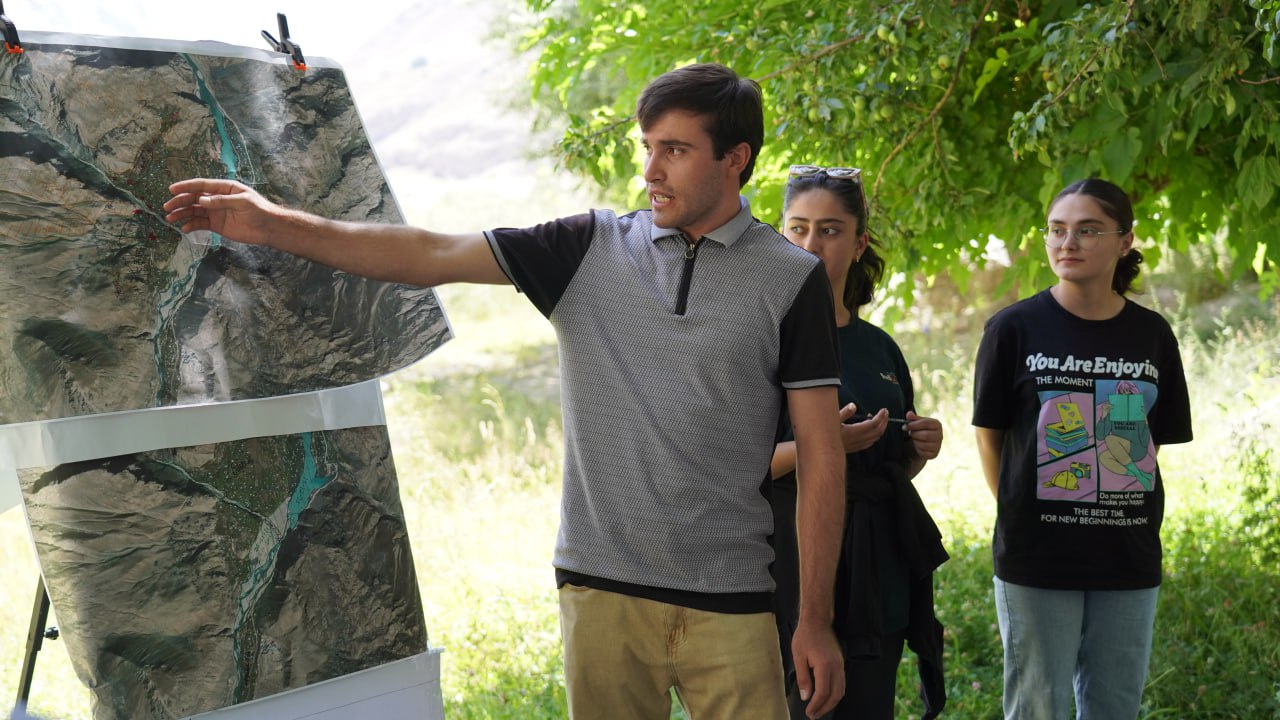
Integrated Learning Workflow
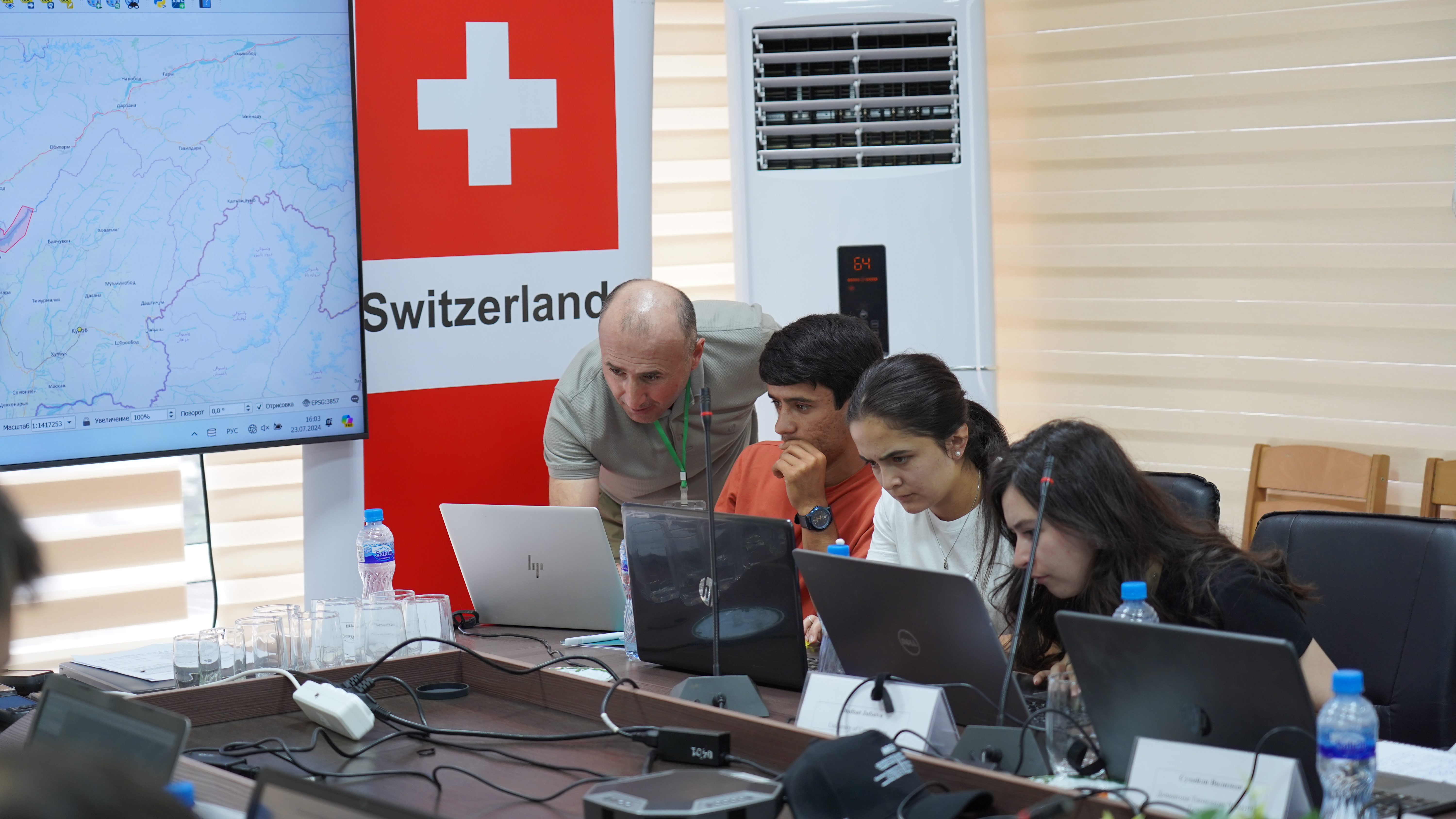
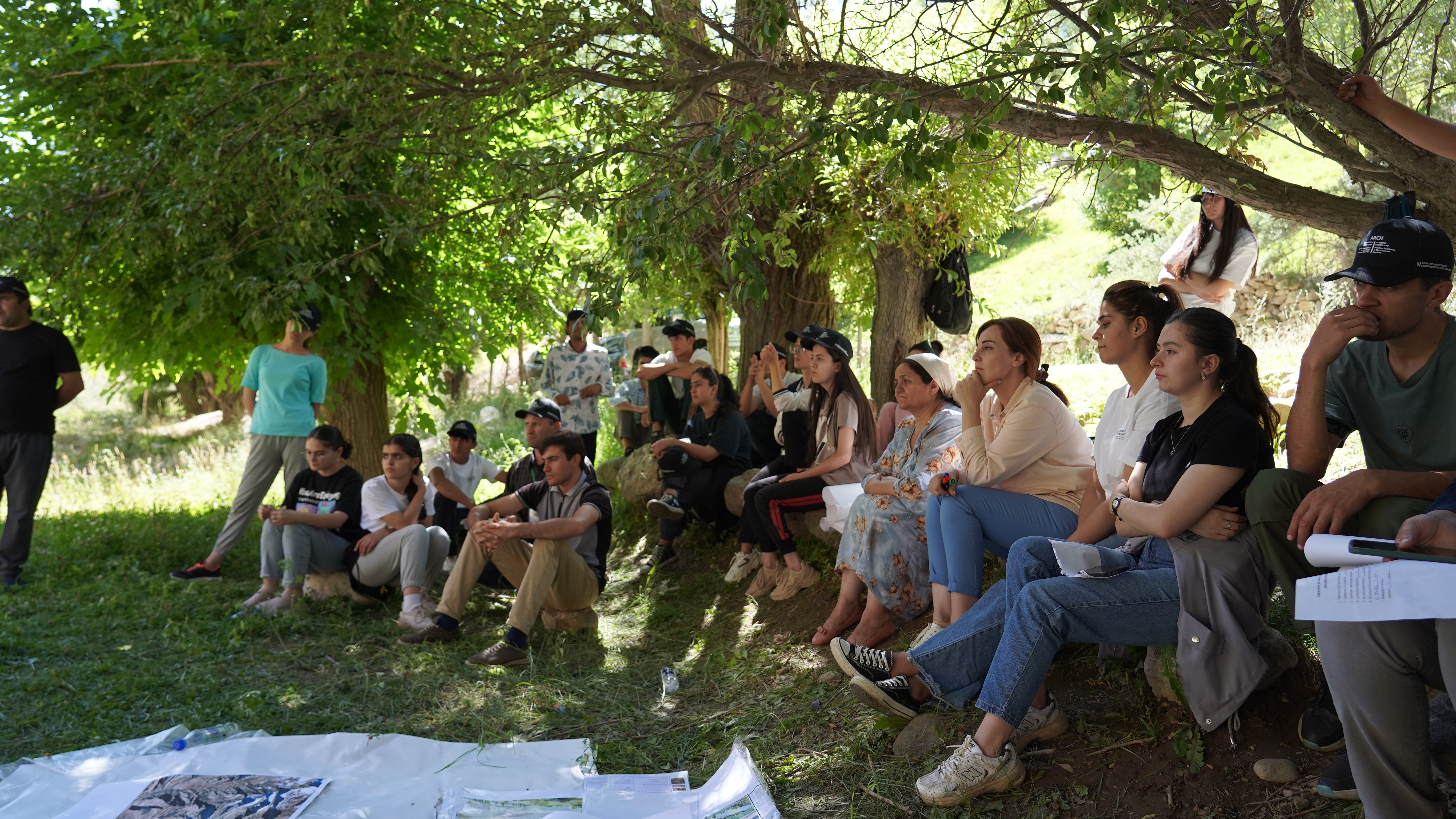
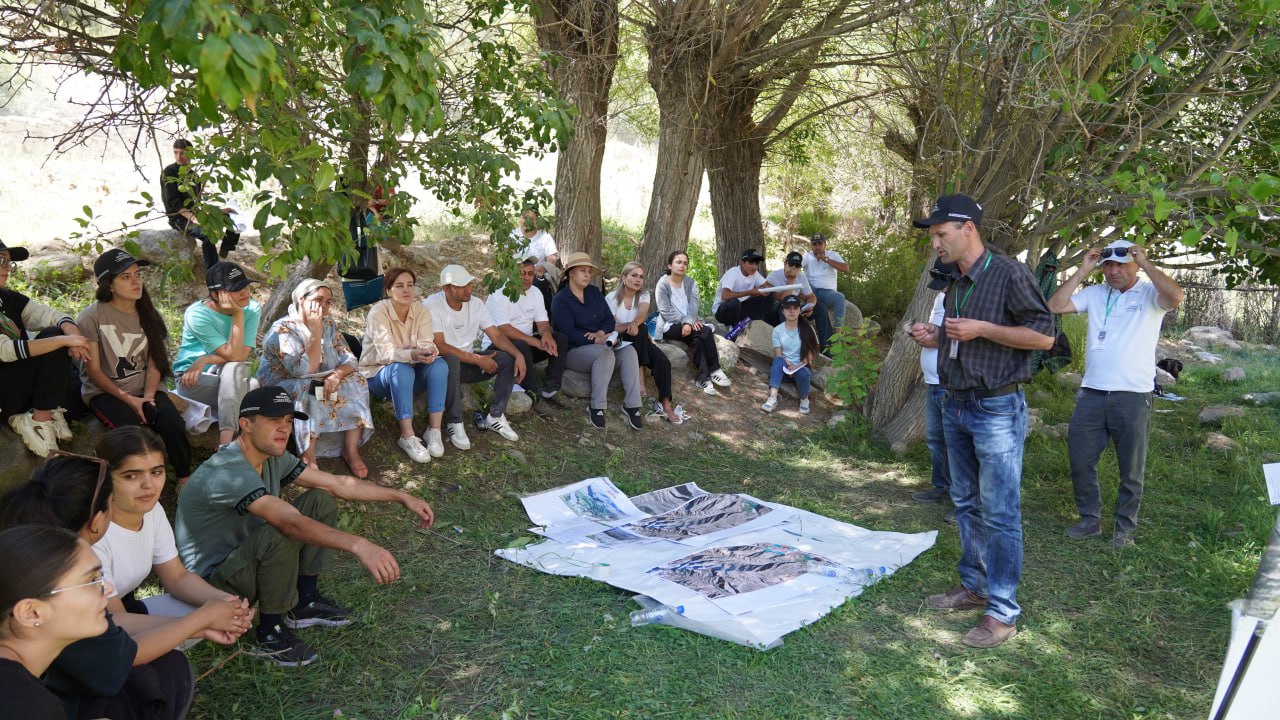
Lectures, GIS labs, group work, and field-based observation are structured as one connected workflow rather than separate activities.
Small group, close collaboration
A limited participant group keeps mentoring direct and makes interdisciplinary teamwork part of the daily experience.
Practical Skills for Research and Risk Planning
Participants leave with methods they can carry into research, planning, preparedness, and communication around mountain risk.
Learning architecture
The curriculum moves from understanding cryosphere processes to using GIS, interpreting risk, and producing practical recommendations for planners and practitioners.
Core science
Introduction to glacier retreat, glacial lake formation, permafrost thaw, snow and ice dynamics, and the physical drivers behind cascading mountain hazards.
Spatial tools
Data sources, preprocessing, terrain analysis, uncertainty, and practical workflows for mountain hazard mapping and exposure assessment.
Lake systems
Identification of glacial lakes, susceptibility screening, downstream impact pathways, and introductory approaches to community-level GLOF risk analysis.
Terrain resilience
Indicators of permafrost change, terrain controls, infrastructure implications, and nature-based solutions for stabilization and climate resilience.
Risk layers
Integrated approaches that connect hazard layers with settlement and infrastructure data to build risk narratives for decision-making.
Action pathways
Community-based early warning systems, preparedness options, DRR/DRM integration, and land-use planning for sustainable mountain development.
Program
The 14-day structure moves from shared foundations into applied tools, integrated risk thinking, and a final field-and-capstone phase.
Program arc
Instead of one long list with a disconnected sidebar, the journey is framed as a clear progression: understand the system, work with the tools, interpret risk, and present a practical output.
Phase 1 - Shared foundations
3 structured learning blocks
Phase 2 - Tools and analysis
3 structured learning blocks
Phase 3 - Risk and management
3 structured learning blocks
Phase 4 - Field learning and capstone
3 structured learning blocks
Learning outcomes
The results are presented as a set of practical capabilities rather than another grid of feature cards. Each one reflects something participants should be able to explain, map, connect, or produce by the end.
Capability
Participants will build a working understanding of glacier retreat, glacial lake formation, permafrost thaw, and snow- and ice-related hazards.
Capability
The curriculum develops practical competence in hazard delineation, terrain analysis, exposure mapping, and transparent data interpretation.
Capability
Participants will move beyond hazard magnitude alone and build integrated risk narratives for real mountain settings.
Capability
The final group output is a map package and a concise evidence-based briefing with actionable recommendations for practitioners.
ARCH milestones
The Summer and Winter University Programmes in Tajikistan have grown into impactful platforms for tackling climate change and disaster risks in mountainous regions—equipping participants with the knowledge, skills, and collaboration needed to turn challenges into solutions.
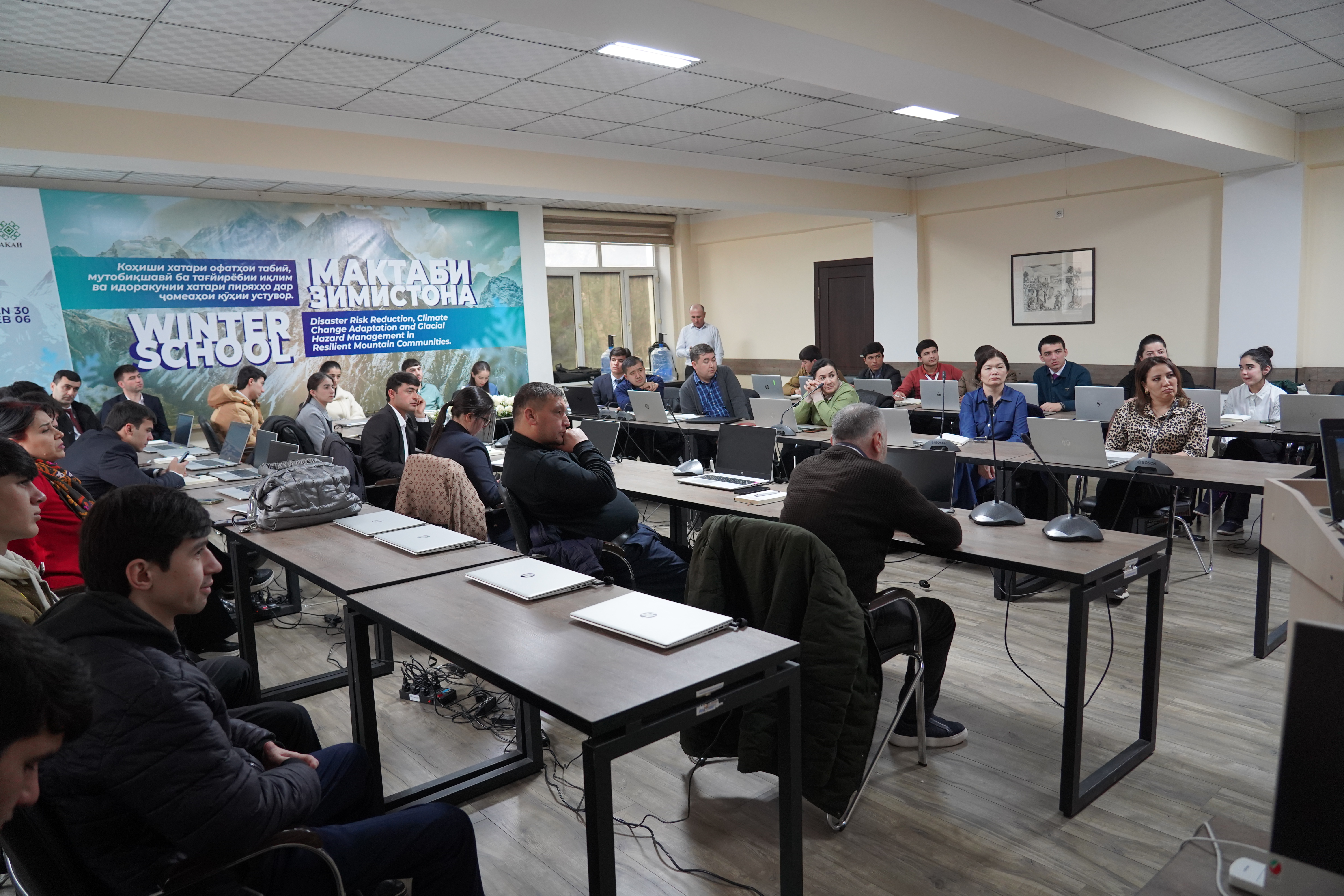
The Summer University in Khorog, conducted in 2024, focused on the effects of climate change in mountainous regions and the importance of preventing the buildup of new disaster risks. It combined theoretical sessions with practical learning on scientific, social, and governance aspects of resilience, and included intensive workshops, interactive sessions with experts from AKF and Khorog State University, and field trips to Barsem and Roshtqala districts.
The international conference 'Monitoring of Glaciers and Glacial Lakes - Risk Management' was held in Dushanbe on August 26-27, 2024, followed by field activities in Khorog and GBAO from August 28 to August 31, 2024. Conducted within the ARCH project, it brought together international organizations, government institutions, scientists, and experts to exchange knowledge on glacier monitoring, glacial lakes, debris-flow risks, and practical risk management.
Building on the Summer University, the Winter University in Dushanbe in 2025 expanded the initiative to an international level. Hosted by Tajik Technical University in collaboration with Khorog State University, it brought together participants from different countries to examine floods, landslides, and glacial lake outburst floods in connection with climate change, while encouraging collaboration and practical solutions for mountain communities.
Visual gallery
Project partners




Stay in touch
Contact desk
Use the main inbox for official communication and add a clear subject line so your message reaches the right coordinator quickly.
Main email
[To be confirmed]
Primary inbox for application, logistics, and program coordination questions.
Details updatingPhone / WhatsApp / Telegram
[To be confirmed]
Shared once participant logistics and focal points are finalized.
Details updating